
What is the best off grid power option?
The best off-grid power option combines solar photovoltaic (PV) systems with lithium-ion battery storage, supported by backup generators for prolonged low-sunlight periods. This hybrid system maximizes energy independence, scalability, and cost-efficiency. Solar panels provide renewable energy generation, while lithium batteries (e.g., LiFePO4) offer high cycle life (3,000–6,000 cycles) and rapid charging. For regions with inconsistent sunlight, integrating wind turbines or micro-hydro systems enhances reliability. Always pair with a smart energy management system to optimize load distribution and prioritize critical appliances during outages.

How do solar PV systems perform in off-grid setups?
Solar PV systems dominate off-grid solutions due to declining panel costs (≤$0.30/W) and 20–25% efficiency rates. They require 20–30% excess capacity to offset cloudy days. Pro Tip: Use monocrystalline panels for space-constrained installations—they deliver 5–8% more daily yield than polycrystalline types. For example, a 10kW solar array in Arizona generates ~45kWh/day, sufficient to power a 3-bedroom home with AC.
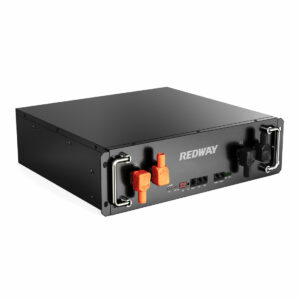
Solar systems need precise tilt angles (latitude ±15°) and regular cleaning to maintain peak performance. Battery banks buffer energy, but undersizing causes frequent generator use. A 10kW system paired with 30kWh lithium storage typically covers 2–3 days of autonomy. Transitionally, cloudy regions may require diesel generators as backup—though they add $0.30–$0.50/kWh in fuel costs. What if hail strikes? Tempered glass panels withstand 25mm impacts, but always check manufacturer warranties for weather-related damage coverage.

Why prioritize lithium-ion batteries over lead-acid?
Lithium-ion batteries outperform lead-acid with 95% depth of discharge (vs. 50% for lead-acid) and 10x faster charging. A 10kWh lithium pack occupies 60% less space and lasts 8–12 years. Pro Tip: Opt for LiFePO4 chemistry in高温 environments—it maintains 80% capacity at 45°C vs. NMC’s 65%.
Lithium’s upfront cost is higher ($600–$1,000/kWh vs. $150–$300/kWh for lead-acid), but its 3,000+ cycles make it 40% cheaper over a decade. For example, a remote cabin using lead-acid would need 2x the battery capacity to match lithium’s usable energy, doubling installation space. Transitionally, lithium’s built-in Battery Management Systems (BMS) prevent overcharging—a common failure point in off-grid setups. Ever seen a swollen lead-acid battery? Sulfation from partial charging permanently reduces capacity by 5% annually, whereas lithium tolerates irregular charging without degradation.
| Parameter | Lithium-Ion | Lead-Acid |
|---|---|---|
| Cycle Life | 3,000–6,000 | 500–1,200 |
| Efficiency | 95–98% | 70–85% |
| Weight (kWh) | 6–8 kg | 25–30 kg |
When should wind turbines be added?
Integrate wind turbines where average wind speeds exceed 4.5 m/s—common in coastal or mountainous regions. A 5kW turbine generates 8,000–12,000 kWh/year at 6 m/s, complementing solar during winter. Pro Tip: Install anemometers for 30-day wind assessments before committing—false savings occur if turbines operate below cut-in speeds (3 m/s).
Vertical-axis turbines suit turbulent wind areas, while horizontal-axis models achieve 40% efficiency in steady flows. For example, an Alaskan homestead using a 10kW turbine and 15kW solar array achieves 90% energy autonomy year-round. Transitionally, turbines require 18–24 m towers to avoid ground turbulence, increasing installation costs by $10,000–$15,000. What about noise? Modern turbines operate at ≤45 dB at 100m—quieter than average rainfall.
How do micro-hydro systems compare?
Micro-hydro systems deliver unmatched reliability (90% uptime) where water flow exceeds 10 liters/second with 20m head. A 5kW unit generates 120kWh/day continuously—enough to power workshops or small farms. Pro Tip: Use Pelton wheels for high-head sites (>20m) and Kaplan turbines for low-head (<5m) applications.
Though installation costs reach $15,000–$25,000, micro-hydro pays back in 5–8 years via zero fuel costs. For instance, a Costa Rican coffee farm’s 8kW system runs grinders and dryers 24/7 without batteries. Transitionally, drought susceptibility requires backup solar/wind—systems without diversification risk 30–50% winter output drops. Heard of fish-friendly turbines? New designs reduce aquatic life mortality to <2%, meeting strict environmental regulations.
| Feature | Micro-Hydro | Solar |
|---|---|---|
| Energy Output | Continuous | Daytime Only |
| Land Use | 50–100m² | 500–1,000m² |
| Maintenance | Annual | Bi-annual |
What backup generators work best?
Propane generators excel as backups—fuel stores indefinitely and burns cleaner than diesel. A 10kW unit consumes ~1.5 gallons/hour at 50% load, providing 3–5 days of runtime on a 100-gallon tank. Pro Tip: Use inverters like Honda EU7000is for “quiet” operation (52–58 dB) in residential areas.
Diesel generators offer 15–20% higher efficiency but require monthly test runs to prevent injector clogging. For example, a Canadian off-grid lodge uses a 20kW diesel generator paired with 40kWh batteries—it automatically starts when battery SOC drops below 30%. Transitionally, biodiesel blends reduce carbon emissions by 50–80%, though they cost $0.50–$1.00/gallon more. What if fuel freezes? Add anti-gel agents to diesel tanks below -10°C and insulate propane lines.
RackBattery Expert Insight
FAQs
Can I mix solar and wind in one system?
Yes, use hybrid inverters like Outback Radian to manage multiple DC sources. Ensure combined input voltage stays within inverter limits—overshooting triggers shutdowns.
How often should off-grid batteries be replaced?
Lithium-ion: 8–12 years; lead-acid: 3–5 years. Monitor capacity quarterly—replace when usable energy drops below 70% of rated capacity.
Do off-grid systems require permits?
Most jurisdictions mandate electrical and structural permits for solar/wind installations. Zoning laws often prohibit turbines >35ft in residential areas—check local codes first.
