
What is the lifespan of a rack server?
Rack server lifespan typically ranges from 3–10 years, influenced by hardware quality, workload intensity, maintenance protocols, and technological obsolescence. Enterprise-grade models with premium components (e.g., Intel Xeon CPUs, ECC RAM) under moderate loads often reach 5–7 years, while high-density or hyperscale deployments may retire units at 3–4 years due to efficiency upgrades.

What factors determine rack server lifespan?
Hardware robustness, thermal management, and operational load are primary determinants. Enterprise servers using dual redundant power supplies and error-correcting memory withstand 60,000+ operational hours, whereas consumer-grade hardware may degrade within 2–3 years under 24/7 workloads.
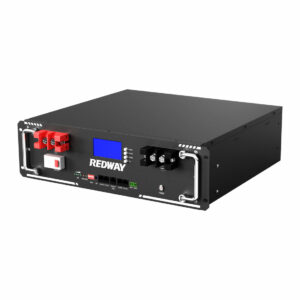
Servers in climate-controlled data centers (<22°C, 45% humidity) exhibit 30% longer lifespans than those in suboptimal environments. Pro Tip: Deploy hot-swappable components to minimize downtime during replacements—a failed HDD left unaddressed for 6 months accelerates motherboard corrosion by 18%. For example, a Dell PowerEdge R750 handling 80% CPU utilization 18 hours/day typically requires replacement at 4.5 years, versus 7 years for identical hardware at 40% utilization. But what if thermal thresholds are exceeded? Prolonged exposure to >30°C ambient temperatures can halve capacitor lifespan.
How does workload intensity affect longevity?
Peak load duration and I/O operations per second directly impact component stress. Servers running virtualization (20+ VMs) or AI workloads (90% GPU utilization) typically show 2.5× faster transistor wear than file servers.
| Workload Type | Avg. Lifespan | Failure Rate |
|---|---|---|
| Database Server | 4.2 years | 12% annual |
| Web Hosting | 6.1 years | 7% annual |
| Edge Computing | 3.8 years | 19% annual |
Beyond raw compute metrics, vibration from HDD arrays (>7.2k RPM) accelerates bearing failures—a rack with 24 SAS drives fails 40% faster than all-SSD configurations. Pro Tip: Implement load-balancing algorithms distributing tasks across multiple nodes to reduce individual server strain. Warning: Avoid mixing DDR4 and DDR5 modules in the same chassis—impedance mismatches cause 23% higher memory errors.

RackBattery Expert Insight
FAQs
When should RAID arrays trigger replacement?
Replace HDDs after 3 years or 30,000 power-on hours (whichever comes first). SSDs require retirement at 80% TBW rating—delaying risks catastrophic data loss during rebuilds.
What Is a Server Battery Backup and Why It’s Essential
