
Do UPS batteries drain when not in use?
Yes, UPS batteries do drain when not in use due to self-discharge, a natural chemical process in all battery types. Lithium-ion UPS batteries typically lose 1–2% charge monthly, while lead-acid variants lose 3–5%. Higher temperatures accelerate this discharge rate. For optimal lifespan, store UPS batteries at 20–25°C and recharge them every 3–6 months if unused.

What causes self-discharge in UPS batteries?
Self-discharge occurs due to internal chemical reactions and parasitic loads. Even inactive batteries experience electrolyte decomposition and electrode oxidation. Lithium-ion cells lose energy through solid-electrolyte interphase (SEI) layer instability, while lead-acid batteries suffer from sulfation. Pro Tip: Store batteries at 40–60% charge to minimize degradation during storage.
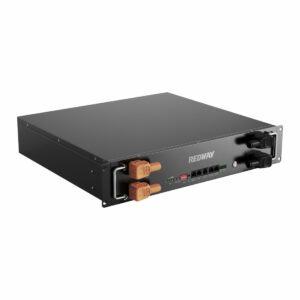
All batteries inherently lose charge over time through electrochemical side reactions. In lithium-ion UPS batteries, lithium ions gradually migrate between electrodes without external load, while lead-acid systems face gradual sulfation of plates. Temperature plays a critical role—every 10°C increase doubles self-discharge rates. For example, a lithium-ion UPS battery stored at 35°C might lose 4% monthly versus 1% at 15°C. Modern battery management systems (BMS) slightly accelerate discharge by drawing minimal power for monitoring circuits. Why does this matter? Extended storage without maintenance charging can lead to deep discharge, permanently damaging cells.
How do lithium and lead-acid UPS batteries compare for idle drain?
Lithium-ion batteries exhibit 3–5x lower self-discharge than lead-acid. A typical 12V 7Ah lithium UPS battery loses 0.5% weekly versus 1–2% for equivalent VRLA models. This table highlights key differences:
| Parameter | Li-ion | Lead-Acid |
|---|---|---|
| Monthly Drain | 1–2% | 3–5% |
| Temp Sensitivity | Moderate | High |
Lithium chemistries like LiFePO4 maintain stable internal resistance during storage, while lead-acid systems develop sulfation crystals that increase resistance. For instance, a neglected lead-acid UPS battery might only retain 70% capacity after 6 months, whereas lithium retains 95%. However, lithium batteries require strict voltage monitoring—storing above 3.7V/cell accelerates aging. Pro Tip: Use smart chargers with storage mode to automatically maintain optimal charge levels.

Top 48V and 51.2V Lithium Telecom Rack Battery Solutions
RackBattery Expert Insight
FAQs
Can a UPS battery die from sitting too long?
Yes, both lead-acid and lithium batteries suffer permanent damage if voltage drops below critical thresholds (10.5V for 12V lead-acid, 9V for lithium). Recharge within 6 months minimum.
Do sealed vs flooded lead-acid differ in self-discharge?
Sealed (VRLA) batteries lose 3–5% monthly versus flooded’s 5–8% due to recombinant efficiency. However, flooded types tolerate deeper discharges better.
