
What is the life expectancy of a UPS?
UPS systems typically have a lifespan of 5–15 years for the main unit, with batteries lasting 3–10 years depending on type (lead-acid or lithium-ion). Operational longevity depends on load management (30–80% capacity), environmental conditions, and maintenance practices. Regular cleaning, capacitor inspections, and battery cycling are critical for maximizing service life. Industrial-grade units often outlast consumer models due to robust component design and thermal management.

What factors most impact UPS lifespan?
Load cycling, environmental stressors, and maintenance frequency dictate UPS longevity. Systems operating at 30–80% load with stable temperatures show 20–30% longer lifespans than overloaded or underutilized units. Capacitor degradation accounts for 40% of premature failures in units over 7 years.
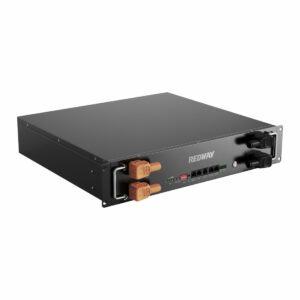
UPS components age differently—electrolytic capacitors typically require replacement every 5–7 years due to electrolyte drying, while IGBT semiconductors often last 10+ years. Pro Tip: Use infrared thermography annually to detect hot spots in power modules before failures cascade. For example, data center UPS units operating at 45°C ambient temperatures experience 2x faster capacitor aging compared to climate-controlled 25°C environments. Transitional factors like voltage sags below 90VAC force frequent battery cycling, accelerating lead-acid battery sulfation.
How does load optimization affect UPS durability?
Sustained 50–75% loading balances efficiency and component stress. Light loads under 30% cause irregular battery cycling, while >90% loads increase MOSFET junction temperatures by 15–25°C, shortening lifespans.
Modern UPS systems employ adaptive load-sharing algorithms that dynamically redistribute power across phases. A 100kVA unit supporting 65kW IT loads with 0.9 power factor achieves optimal efficiency, whereas the same unit at 95kW risks transformer saturation. Transitional analysis shows 3-phase systems tolerate 5–8% load imbalance before derating requirements activate. Pro Tip: Install power meters with 1% accuracy to maintain load within manufacturer’s sweet spot—under-measurement leads to accidental overloading.

| Load Level | Impact on Lifespan | Efficiency |
|---|---|---|
| 20–30% | Battery memory effect | 78–82% |
| 50–75% | Optimal component stress | 94–96% |
| 90–100% | Thermal runaway risk | 89–91% |
RackBattery Expert Insight
FAQs
When should UPS capacitors be replaced?
Replace electrolytic capacitors every 5–7 years or when ESR exceeds 200% of initial value. Film capacitors last 10+ years but require annual insulation resistance tests.
Can lithium and lead-acid batteries coexist in UPS systems?
Never mix chemistries—voltage curves differ by 15–20%, causing BMS conflicts. Transition kits require full DC bus retrofitting and charger reprogramming.
How often should UPS undergo full discharge testing?
Conduct 80–100% discharge tests annually for lead-acid systems, biannually for lithium. Always recharge within 24 hours to prevent sulfation/SEI layer growth.
