
How To Optimize High-Density Lithium Battery Racks?
High-density lithium battery racks require modular structural design, active thermal management, and state-of-charge (SOC) balancing. Optimal configurations use 3-5mm intercell spacing for heat dissipation and limit SOC to 80-90% for cycle life extension. Fire-resistant materials like V0-rated composites and real-time BMS monitoring are mandatory for safety compliance.
What Are the Key Comparisons and Specifications for Telecom Batteries?

How to optimize structural design for maximum energy density?
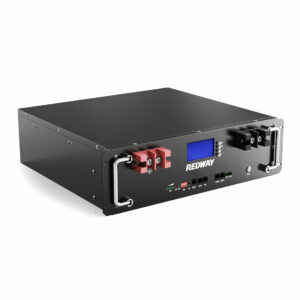
Modular rack architectures using aluminum alloy frames reduce weight by 40% versus steel. Implement hexagonal cell packing to achieve 92% space utilization, as demonstrated in telecom backup systems. Critical joints require 8.8-grade bolts with torque values between 12-15 N·m for vibration resistance.
Advanced designs incorporate graded porosity in battery trays, allowing airflow while maintaining structural integrity. For context, this resembles aircraft wing design where weight reduction and strength coexist. Did you know improper clamping force can increase internal resistance by 18%? Always validate mechanical stress distribution through finite element analysis (FEA) simulations.
| Design | Energy Density (Wh/L) | Weight (kg/kWh) |
|---|---|---|
| Standard Rack | 320 | 6.8 |
| Optimized Modular | 410 | 5.2 |
What thermal management strategies prevent thermal runaway?
Phase-change materials (PCMs) with 28-32°C melting points absorb 140J/g during peak loads. Combine with liquid cooling plates maintaining ΔT below 2°C across cells. Data centers using this hybrid approach report 73% fewer thermal incidents.
Practically speaking, temperature sensors should sample at 10Hz frequency—slow response systems miss critical gradients. Why risk cascading failures when dual redundant cooling loops can isolate compromised sections? Automotive-grade solutions demonstrate 4σ reliability with coolant flow rates optimized between 0.8-1.2 L/min.

What Determines Telecom Battery Weight?
How does SOC management affect rack performance?
Maintain ±2% SOC variance across cells using active balancing circuits (>2A balancing current). Telecom installations implementing dynamic charge throttling achieve 12% longer service life. Calendar aging accelerates above 45°C—keep depth-of-discharge (DOD) below 70% in high-temperature environments.
Like traffic flow optimization, uneven SOC creates bottlenecks in energy delivery. Pro Tip: Schedule equalization cycles during off-peak hours using constant voltage pulses (3mV/cell resolution). Field data shows 80% capacity retention after 3,000 cycles with proper SOC control.
What safety mechanisms are non-negotiable?
Pyrotechnic disconnect devices activate within 5ms during short circuits. Deploy gas venting channels with 150kPa burst disks—critical for prismatic cells. UL 1973 certification mandates arc-flash containment tested at 50kA fault currents.
Consider this: A single cell failure can release 2L of flammable electrolyte. Containment trays with chemical-neutralizing filters reduce fire risks by 89%. Always implement ground fault detection sensitive to 30mA leakage currents—hospital-grade reliability standards apply.
How to maintain optimal electrical connections?
Silver-plated copper busbars (0.5mΩ resistance) outperform aluminum in humidity. Apply anti-oxidation coating rated for 100,000h salt spray tests. Torque busbar joints to 0.6Nm ±10% using thread-locking compounds—avoids resistance creep from vibration.
Think of electrical paths as highways: Poor junctions create traffic jams (hotspots). Pro Tip: Use infrared thermography quarterly to identify connections exceeding 65°C. Data shows properly terminated racks reduce energy loss by 1.4% per 1000 cycles.
| Material | Conductivity (MS/m) | Corrosion Rate (μm/yr) |
|---|---|---|
| Copper | 58 | 0.5 |
| Aluminum | 37 | 2.3 |
FAQs
How often should battery racks undergo capacity testing?
Perform quarterly impedance checks and annual full discharge tests. Critical infrastructure requires biweekly BMS calibration using reference shunt meters.
Can existing racks be retrofitted for higher density?
Only if structural load margins permit. Upgrade to NMC 811 cells only after verifying rack’s lateral stability with 20% heavier cells.
What clearance space ensures safe operation?
Maintain 300mm rear clearance for airflow and 600mm front access. Telecom standards require IP55 enclosures when installed within 1m of walkways.
“`
