
What is the life expectancy of a 48V battery?
48V battery life expectancy typically ranges from 3–5 years for lithium-ion variants (1000–1200 full cycles) and 1.5–3 years for lead-acid types (300–500 cycles). Actual lifespan depends on chemistry, depth of discharge, temperature management, and charging practices. LiFePO4 cells often exceed 2000 cycles when kept at 20–80% SOC, while frequent full discharges cut longevity by 30–50%.

What factors determine 48V battery lifespan?
Cycle count, temperature exposure, and charging habits primarily dictate longevity. Lithium batteries degrade faster when regularly discharged below 20% capacity or stored above 40°C. Pro Tip: Partial charges (30–80%) preserve Li-ion health better than full cycles.
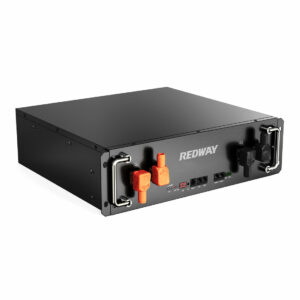
Battery lifespan isn’t just about years—it’s measured in effective charge cycles. A 48V20Ah lithium pack rated for 1200 cycles could last 4 years with daily 80% discharges but 6+ years with weekly use. High temperatures accelerate electrolyte breakdown; every 10°C above 25°C potentially halves cycle life. Imagine two identical e-bikes: One parked outdoors in Phoenix summers might need replacement in 2 years, while a garage-kept counterpart lasts 5. Do you track your battery’s operating temperature? Mechanical stress from vibration (common in off-road EVs) also weakens internal connections over time.
How do lithium and lead-acid 48V batteries compare?
Lithium-ion offers 3× longer cycle life than lead-acid but costs 2–4× more upfront. Lead-acid tolerates overcharging better but suffers from sulfation during partial discharges.
Let’s crunch numbers: A 48V20Ah lithium battery delivers ~7.5kWh over its lifespan (1200 cycles × 0.96kWh), while a comparable lead-acid unit provides ~2.4kWh (500 cycles × 0.48kWh). Though lithium has higher initial cost, its cost-per-cycle drops to $0.15 versus lead-acid’s $0.30. Real-world example: Golf cart fleets switching to lithium report 60% fewer battery replacements over 5 years. However, lead-acid remains preferable for infrequent-use applications like backup power—why pay lithium premiums if cycling monthly?

| Parameter | 48V Lithium | 48V Lead-Acid |
|---|---|---|
| Cycle Life | 1000–2000 | 300–500 |
| Weight | 12–18kg | 25–35kg |
| Efficiency | 95–98% | 70–85% |
RackBattery Expert Insight
FAQs
Can I extend my 48V battery’s life?
Yes—maintain 20–80% charge, avoid temperatures above 40°C, and use manufacturer-approved chargers. Storing at 50% charge slows lithium degradation by 3× versus full storage.
Do fast chargers reduce lifespan?
Charging above 0.5C (e.g., 10A for 20Ah) increases heat stress. Limit fast charging to 80% capacity—the last 20% causes 40% of cell wear.
